

Anti-Inflammatory and Antibacterial Benefits
In recent years, cannabinoids such as CBD have become increasingly popular in skincare products.
Researchers and skincare experts alike have shown growing interest in CBD because of its potential anti-inflammatory and antibacterial properties.
Because many skin concerns such as acne, irritation, and redness are connected to inflammation, ingredients that support skin balance have become an important focus in modern skincare.
Understanding how CBD interacts with the skin can help explain why cannabinoid-based skincare products have gained so much attention.
How CBD Interacts With the Skin
The skin contains its own network of receptors connected to the body’s endocannabinoid system.
This system helps regulate several processes that affect skin health, including
- inflammation
- oil production
-
skin cell growth
immune response
Because cannabinoids interact with the endocannabinoid system, researchers have explored how CBD may influence skin balance.
Early research suggests that CBD may help regulate inflammatory responses and support overall skin health.
CBD and Inflammation
Inflammation plays a major role in many common skin concerns.
Conditions such as acne, redness, irritation, and sensitivity often involve inflammatory responses within the skin.
CBD has been studied for its potential anti-inflammatory properties. By supporting balanced inflammatory responses, CBD may help calm irritated skin.
This is one reason CBD has become a popular ingredient in skincare products designed for sensitive or acne-prone skin.
CBD and Acne
Acne is one of the most common skin concerns worldwide.
Several factors can contribute to acne, including
- excess oil production
- bacteria
- inflammation
- hormonal changes
Research suggests that CBD may help regulate sebum production, which is the oil produced by the skin’s sebaceous glands.
Balanced oil production may help reduce clogged pores and support clearer skin.
While more research is still needed, this has made CBD a promising ingredient for people exploring skincare options for acne-prone skin.
Supporting Skin Health With Plant-Based Oils
While CBD plays an important role in cannabinoid-based skincare, the carrier oils used in a formula are equally important.
Many plant-based oils contain essential fatty acids, antioxidants, and vitamins that support healthy skin.
For example
- sweet almond oil is known for its hydrating and soothing properties
- rosehip oil contains antioxidants and vitamin A that support skin regeneration
- jojoba oil closely resembles the skin’s natural oils and helps maintain moisture balance
- rose geranium oil has been traditionally used for its antimicrobial and skin-balancing properties
Together, these ingredients create a more balanced skincare formula.
CBD and Antibacterial Properties
Another reason cannabinoids have attracted attention in skincare is their potential antibacterial activity.
Certain skin concerns, including acne, involve bacterial activity within pores.
Some research suggests cannabinoids may influence bacterial growth on the skin, which could contribute to a healthier skin environment.
While this area of research continues to evolve, it has helped explain why cannabinoids have become an ingredient of interest in dermatological research.
A Balanced Approach to Skincare
Healthy skin depends on maintaining balance within the skin’s natural barrier.
Ingredients that support hydration, reduce inflammation, and promote healthy cell turnover can contribute to overall skin wellness.
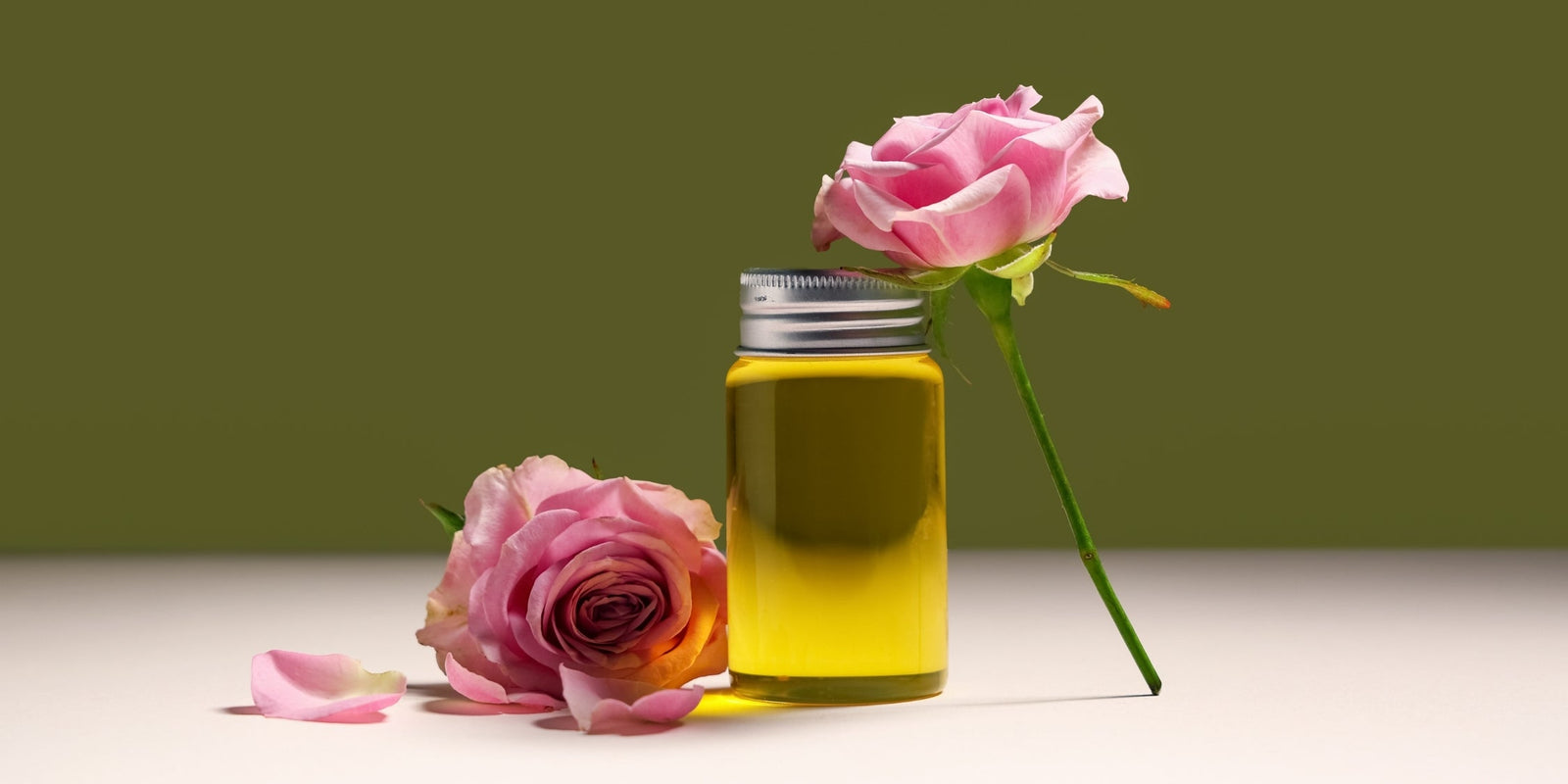
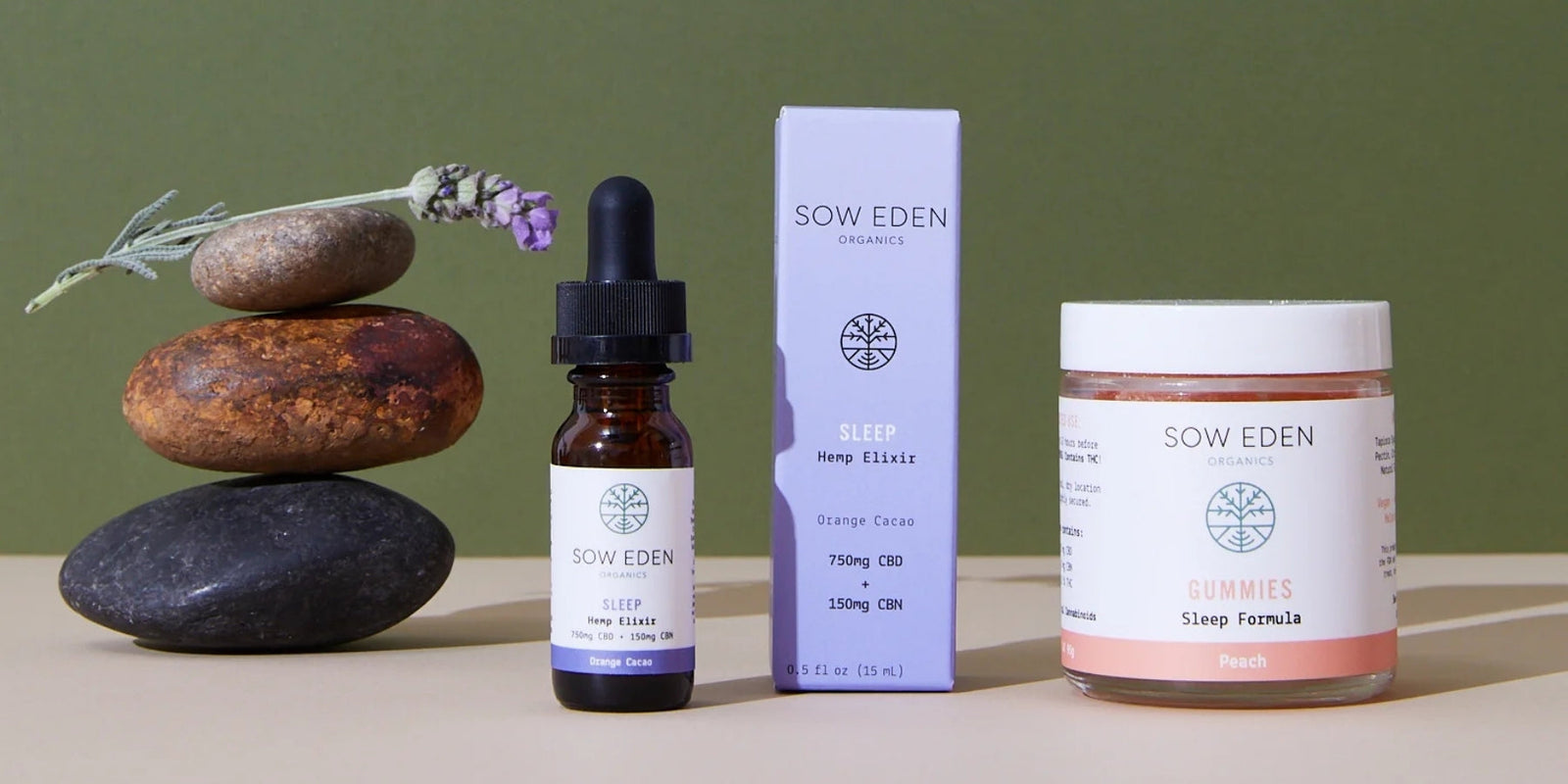
At Sow Eden, ourFacial Oil combines CBD with antioxidant-rich carrier oils including rosehip oil, jojoba oil, and sweet almond oil, along with rose geranium oil.
These ingredients work together to support hydration, skin balance, and overall skin health.
FAQ SECTION
Is CBD good for acne?
CBD has been studied for its anti-inflammatory properties and may help regulate oil production in the skin, which may support clearer skin for some individuals.
Can CBD reduce skin inflammation?
Early research suggests CBD may influence inflammatory responses in the skin, which may help calm irritation and redness.
What oils support healthy skin?
Plant-based oils such as rosehip oil, jojoba oil, and sweet almond oil contain essential fatty acids and antioxidants that support skin hydration and balance.