


Why We Do Not Use Melatonin in Our Sleep Products
Melatonin supplements have become one of the most popular sleep aids in the world. Walk into almost any pharmacy or wellness store and you will see shelves filled with products promising deeper sleep through melatonin.
While the hormone plays an important role in regulating sleep cycles, many people are surprised to learn that most melatonin supplements are synthetic and may not always be the best solution for supporting healthy sleep.
At Sow Eden, we intentionally avoid melatonin in our sleep products. Instead, we focus on plant-based ingredients that support the body’s natural sleep rhythms.
Understanding why requires looking more closely at how melatonin works and how many supplements are produced.
What Melatonin Actually Does
Melatonin is a hormone naturally produced by the pineal gland in the brain. It plays an important role in regulating the body’s circadian rhythm, which is the internal clock that signals when it is time to sleep and wake.
As evening approaches, melatonin levels typically rise, helping the body prepare for rest. Exposure to light in the morning then signals the body to reduce melatonin production and wake up.
Because melatonin helps regulate sleep cycles, supplements have become widely marketed as a quick solution for insomnia or disrupted sleep patterns.
However, melatonin supplements often introduce large doses of the hormone that may not reflect the body’s natural production.
Why Many Melatonin Supplements Are Synthetic
One of the lesser known facts about melatonin supplements is that most forms are produced synthetically in laboratories.
This means they are not derived from natural food sources but instead manufactured through chemical processes designed to mimic the hormone.
While synthetic melatonin may appear similar to the hormone naturally produced by the body, the dosages in supplements are often significantly higher than what the body would normally produce on its own.
For some individuals, this may disrupt natural hormone balance rather than support it.
Concerns Around Melatonin Overuse
Melatonin supplements have also received increasing attention from health researchers due to concerns about overuse.
One issue is that melatonin has become extremely common in products marketed to both adults and children.
In recent years, pediatric poison control centers have reported a significant increase in accidental melatonin ingestion among children. Because melatonin supplements are widely available and often flavored like candy or gummies, they may be unintentionally consumed in large quantities.
These concerns have led many wellness practitioners to recommend caution when using melatonin supplements regularly.
Natural Foods That Contain Melatonin
What many people do not realize is that melatonin occurs naturally in a variety of foods.
Some of the best natural sources of melatonin include
pistachios
almonds
walnuts
tart cherries
goji berries
salmon
sardines
eggs
milk
oats
rice
mushrooms
bananas
grapes
strawberries
pineapple
Including these foods in a balanced diet may help support the body’s natural melatonin cycle without relying on synthetic supplements.
Better Ways to Support Healthy Sleep
Instead of introducing high doses of synthetic melatonin, many people focus on supporting the body’s natural sleep processes.
Some of the most effective habits include
maintaining a consistent sleep schedule
reducing evening exposure to bright screens
creating a relaxing nighttime routine
supporting stress balance
Natural plant-based ingredients may also support relaxation and restful sleep.
Adaptogenic mushrooms such as reishi have been traditionally used to help the body respond to stress and promote calm before bedtime.
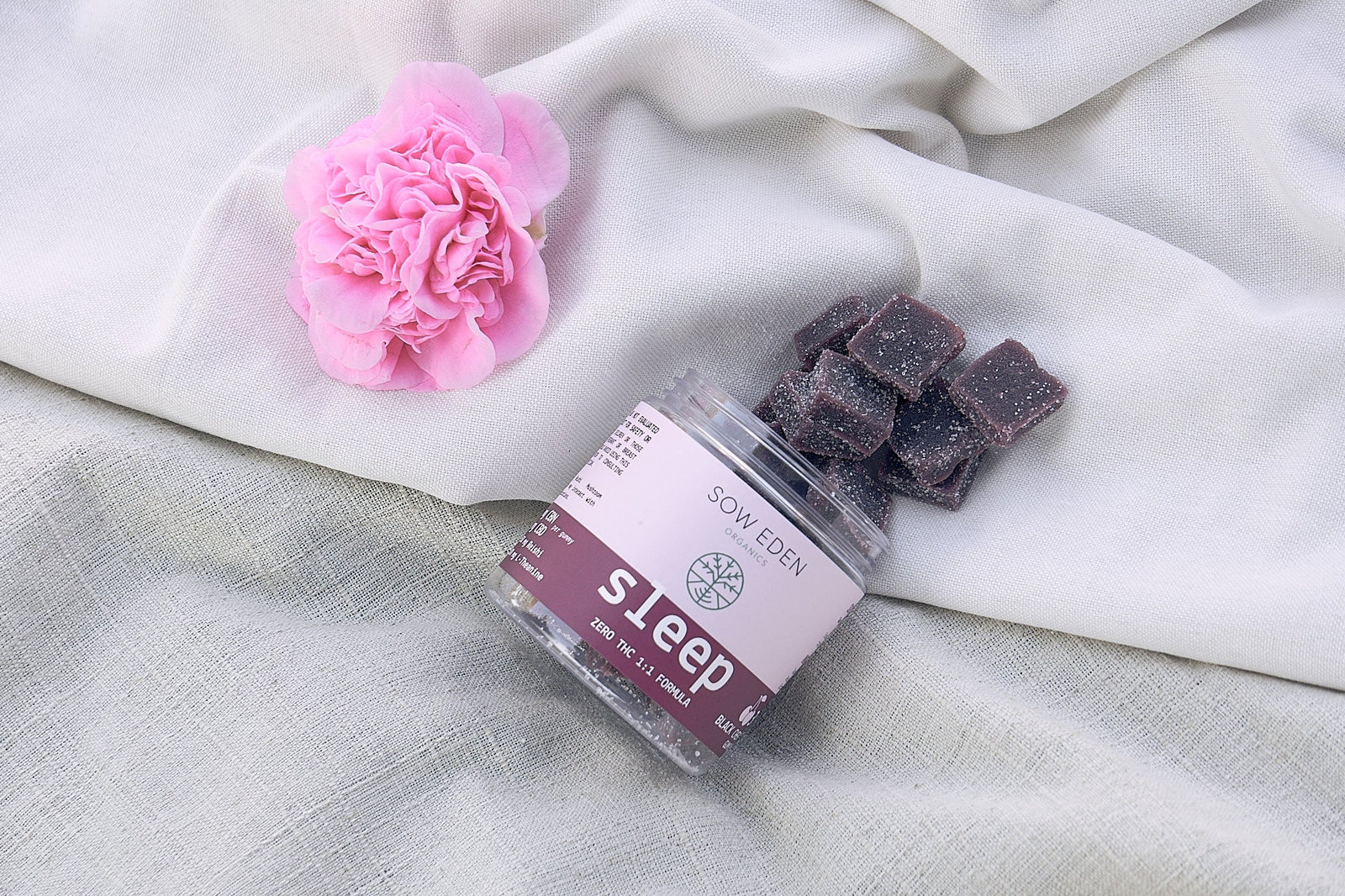
Our THC-free Sleep Gummies include 500 mg of reishi mushroom extract, which has been used for centuries to support relaxation and overall wellness.
A Natural Approach to Sleep Support
Sleep is one of the most important foundations of health. While melatonin supplements have become popular, many people are now exploring more natural approaches to supporting restful sleep.
At Sow Eden, we believe that supporting the body’s natural rhythms with plant-based ingredients can be a more balanced and sustainable approach.
By focusing on ingredients that support relaxation and stress balance rather than synthetic hormones, our goal is to help people build healthier sleep habits that work with the body rather than overriding it.
FAQ SECTION
Is melatonin safe to take every night?
Melatonin is a hormone that regulates sleep cycles, but supplements often contain synthetic versions and doses much higher than the body naturally produces. Because of this, some experts recommend using caution with frequent or long-term use.
What foods naturally contain melatonin?
Melatonin naturally occurs in many foods including pistachios, almonds, tart cherries, salmon, eggs, oats, bananas, grapes, strawberries, and mushrooms.
What ingredients support sleep naturally?
Many people explore plant-based ingredients that support relaxation and stress balance, such as adaptogenic mushrooms like reishi.