

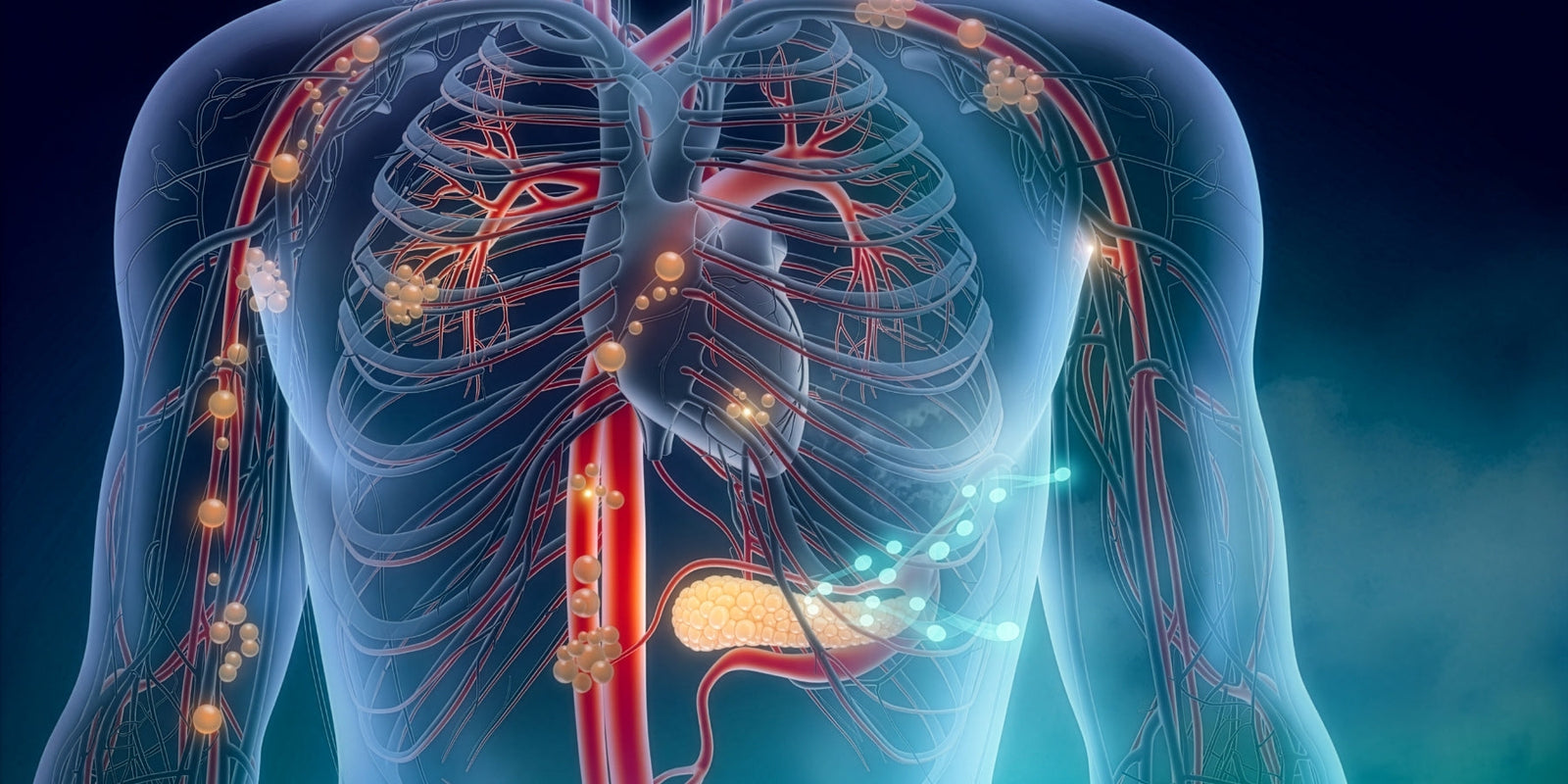

The human nervous system is responsible for controlling and coordinating nearly every function in the body. From regulating mood and sleep to managing stress responses and physical sensations, this complex network of signals helps maintain balance throughout the body.
In recent years, scientists have become increasingly interested in how cannabinoids interact with the nervous system.
One of the most widely studied cannabinoids is cannabidiol, commonly known as CBD.
To understand how CBD works, it is helpful to first understand a biological system that many people have never heard of: the endocannabinoid system.
The Endocannabinoid System Explained
The endocannabinoid system (ECS) is a regulatory system that exists throughout the human body.
Its role is to help maintain balance, also known as homeostasis, across many physiological processes.
The ECS influences functions including
- sleep
- mood
- stress response
- pain signaling
- immune activity
- nervous system communication
This system consists of three main components
- endocannabinoids
- cannabinoid receptors
- enzymes that break down cannabinoids
Together, these components help regulate communication between cells throughout the body.
Cannabinoid Receptors in the Brain and Body
The endocannabinoid system relies on two primary receptor types known as
CB1 receptors
CB2 receptors
CB1 receptors are primarily found in the brain and central nervous system. They play an important role in regulating mood, memory, appetite, and neurological signaling.
CB2 receptors are more commonly found in the immune system and peripheral tissues. These receptors are involved in inflammation and immune responses.
Because these receptors are distributed throughout the nervous system, researchers are interested in how cannabinoids may influence neurological processes.
How CBD Influences the Endocannabinoid System
Unlike THC, CBD does not directly bind strongly to cannabinoid receptors.
Instead, CBD appears to influence how the endocannabinoid system functions overall.
Researchers believe CBD may
- support the activity of naturally occurring endocannabinoids
- influence receptor signaling
- help regulate enzymes that break down endocannabinoids
This indirect interaction is one reason CBD is widely studied for its potential ability to support balance within the body.
CBD and Stress Regulation
Stress activates the nervous system and can affect many areas of health including sleep, mood, and immune function.
When the body experiences prolonged stress, the nervous system can remain in a heightened state of activation.
Cannabinoids may influence the body's ability to regulate stress signals by interacting with the endocannabinoid system.
Because the ECS helps regulate mood and stress responses, this interaction has attracted significant scientific interest.
Supporting stress balance may also help improve sleep quality, which is why many people explore cannabinoids as part of a natural sleep routine.
For example, some people incorporate cannabinoid products such asSleep Gummies into their evening routine to support relaxation before bed.
Cannabinoids and Neurological Research
Researchers continue to study how cannabinoids may interact with neurological signaling.
Because the endocannabinoid system influences communication between neurons, scientists are interested in how cannabinoids may affect neurological conditions.
This area of research includes studies related to
- anxiety and stress disorders
- sleep regulation
- neurological signaling conditions
One example is the growing interest in whether cannabinoids may influence tic activity in neurological conditions such as Tourette syndrome.
In our article onCBD and Tourette syndrome, we explore how cannabinoids may interact with neurological pathways involved in tic expression.
Supporting Nervous System Balance
Maintaining a healthy nervous system involves many factors including
- sleep quality
- stress management
- nutrition
- physical activity
Some people explore plant-based cannabinoids as part of a broader wellness routine that supports these systems.
Cannabinoid products such asBloom Oil are sometimes used as part of personal wellness routines designed to promote relaxation and overall balance.
As research into the endocannabinoid system continues to expand, scientists are gaining a deeper understanding of how cannabinoids interact with the body’s internal regulatory systems.
FAQ SECTION
What does the endocannabinoid system do?
The endocannabinoid system helps regulate many processes in the body including sleep, mood, stress response, immune activity, and nervous system communication.
Does CBD affect the brain?
CBD interacts indirectly with the endocannabinoid system, which includes receptors in the brain that influence neurological signaling.
Why are researchers studying cannabinoids and neurological health?
Because the endocannabinoid system helps regulate nervous system communication, researchers are interested in how cannabinoids may influence neurological balance.